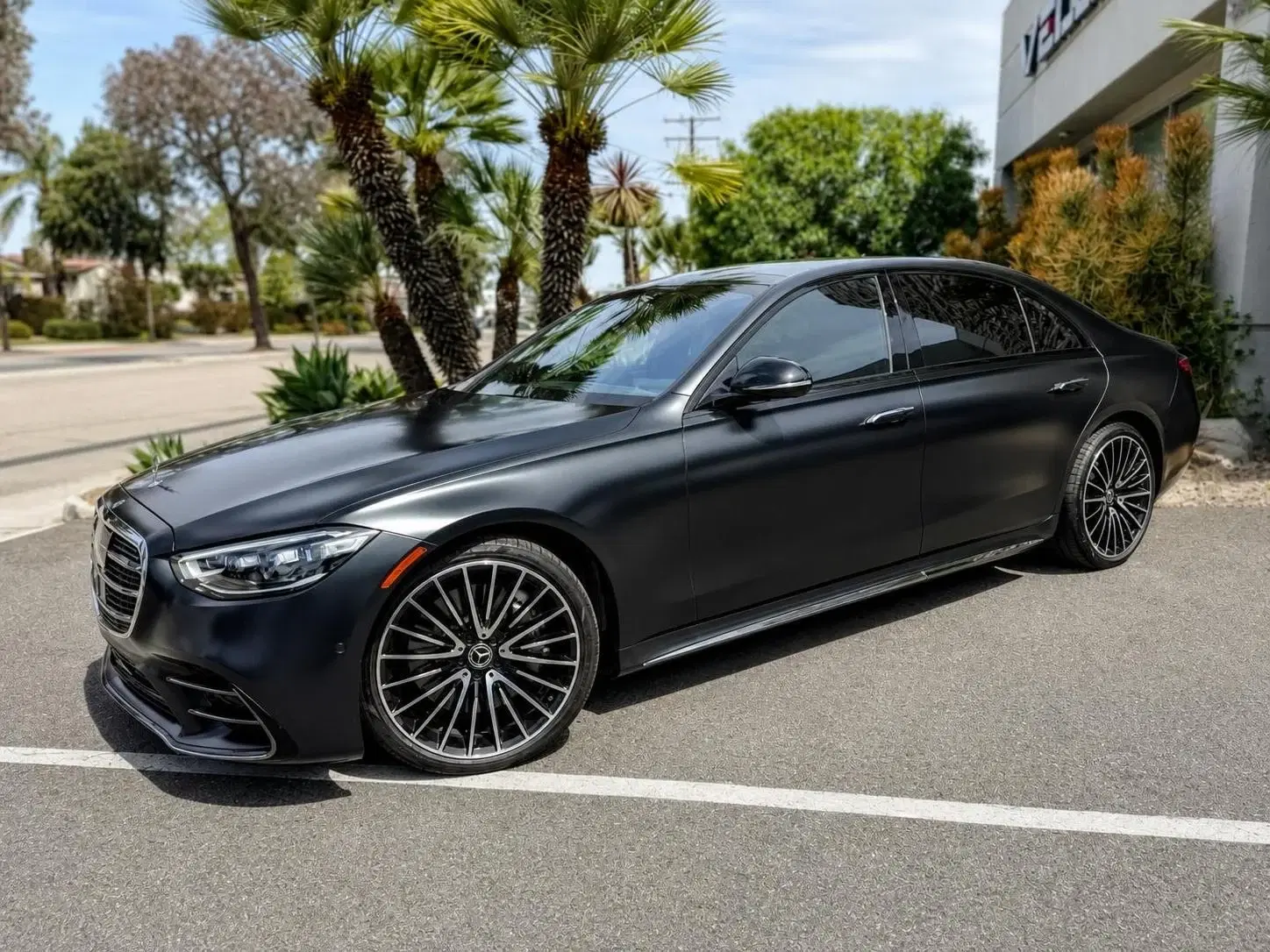
Buyers cannot walk around the vehicle when they first see your listing. The photo gallery has to do that job for them. A clear, complete sequence can make the condition easier to understand and the listing easier to trust.
You do not need a studio. You need a clean car, simple light, enough space around it, and a repeatable list of views.
1. Prepare the car and the scene
Wash the exterior, clean the windows, clear the cabin, and remove temporary items from the trunk. Small distractions become surprisingly obvious in a still image.
- Park on a level surface with enough room to step back.
- Avoid bins, signs, other cars, and busy storefronts directly behind the vehicle.
- Turn the front wheels straight for the full exterior sequence.
- Hide documents, addresses, people, and anything else that should not appear online.
2. Choose soft, even light
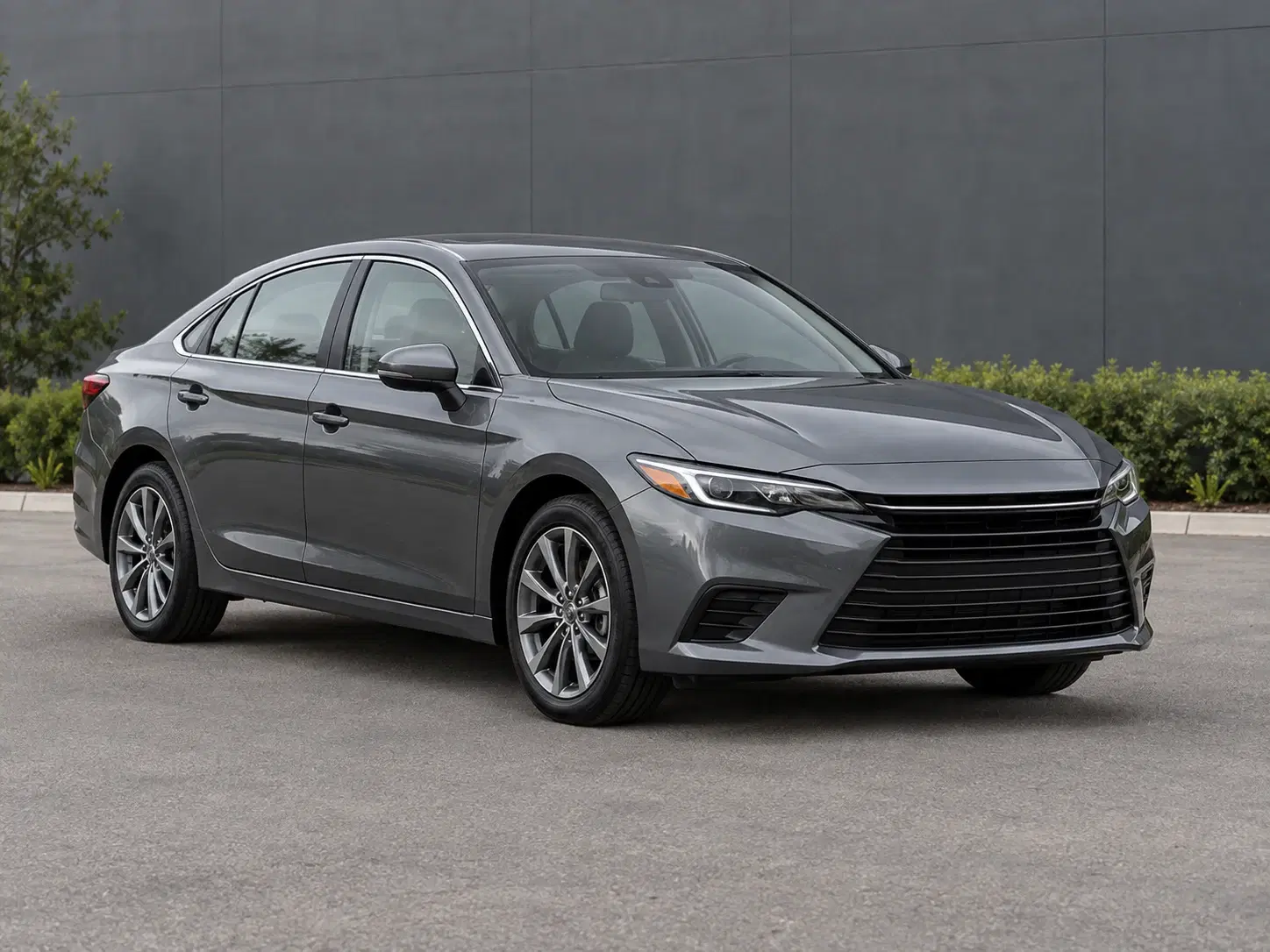
Direct midday sun can create bright reflections on paint and deep shadows around the wheels. If possible, photograph early in the morning, later in the afternoon, or in bright overcast conditions.
If the timing cannot change, look for open shade where the entire vehicle fits. Avoid mixing shade across one half of the body with direct sun across the other.
Move the car before trying to rescue difficult light. A cleaner position saves more time than heavy editing later.
3. Capture the essential exterior angles
Keep the phone around headlight or chest height for the main views. Leave similar space around the car and avoid changing zoom between every frame.
- Front three-quarter view
- Direct front
- Opposite front three-quarter view
- Driver-side profile
- Rear three-quarter view
- Direct rear
- Passenger-side profile
- Wheels, lights, and notable exterior details
CarShot camera guides can turn this list into a visual sequence. Select the body type, choose an angle, then align the vehicle with the on-screen mask before capturing.
4. Show the interior honestly
Open the doors and let outside light reach the cabin. Capture the dashboard from both front doors, the instrument cluster with the mileage visible, front and rear seats, cargo space, and key equipment.
Use detail photos for features that affect value: infotainment, premium audio, seat controls, charging ports, spare wheel, service records, and any included accessories.
5. Review the gallery as a buyer
Before leaving the location, check every image at full size. Replace soft frames, heavy reflections, cut-off body panels, and repeated angles. Confirm that the set answers the basic questions about condition and equipment.
- Lead with the strongest front three-quarter photo.
- Keep related exterior views together.
- Follow with the cabin, cargo area, features, and condition details.
- Do not hide damage; photograph it clearly and describe it accurately.
Once the sequence is complete, use photo enhancement only to improve presentation—not to misrepresent the vehicle. The car should still look like the car a buyer will meet.